
![]() |
|||||||||||||||||||||||||||||||||||||||||||||||||
|
|||||||||||||||||||||||||||||||||||||||||||||||||
|
|||||||||||||||||||||||||||||||||||||||||||||||||
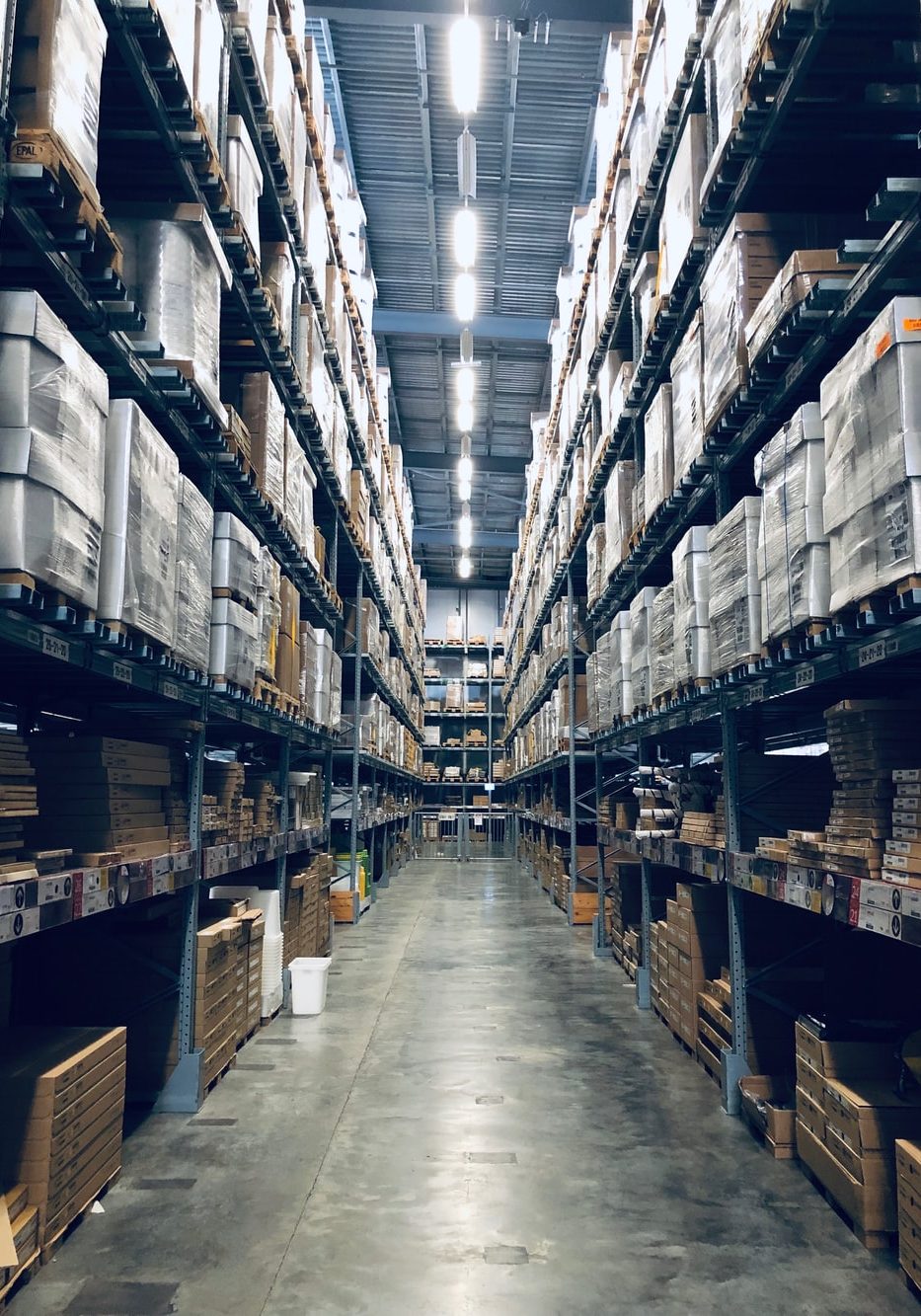
©2005. Waste To Charity. All rights reserved. Congress provides incentives under the tax laws to encourage donation of inventory to non-profit organizations. These laws provide an incentive to businesses for donating slow-moving items prior to marking down the price. By donating items that today are collecting dust on a warehouse floor or a retail outlet shelf, donors can save the cost of other expenses related to maintaining the inventory, including the cost of warehousing, handling, and/or disposing of the items. Internal Revenue Code, Section 170e3 creates an enhanced deduction for corporations to take a deduction up to twice the cost of producing an item (when the value is higher than the cost). Before the enhanced deduction was put in place, companies could only deduct an amount equal to their cost for an item donated to an IRS 501c3 public charity. However, the inventory or other property may have a fair market value higher than its cost. Under 170e3, an enhanced deduction allows the donor to take a deduction up to twice the cost/basis of the item if the value is higher than the cost. Donated property under 170e3 must be used for the ill, needy or infant (using IRS definitions). Equipment used by a facility providing service to the needy also qualifies. The same acknowledgement requirements that apply for any donations still applies under 170e3 donations.How does the enhanced deduction under 170e3 work? Ask yopur tax advisor for the solution that best suits YOUR company. Please see a sample computation below and work with your accountant or tax advisor to see how you can benefit from donation of inventory! Sample Computation:
|
|||||||||||||||||||||||||||||||||||||||||||||||||